
Hey there, fellow adventurers! Are you dreaming of witnessing one of nature’s most surreal spectacles – the electric blue flames of Kawah Ijen? If so, you’ve landed in the right spot. This isn’t just another volcano; it’s a truly unique experience that combines an early morning trek with an otherworldly natural phenomenon. To make sure your trip is as smooth and incredible as possible, we’ve put together this Ijen Crater complete guide covering everything from when to go, how to get tickets, and what essential gear you absolutely need to bring along. Get ready for an unforgettable journey to East Java!
Why Ijen Crater Should Be on Your Bucket List
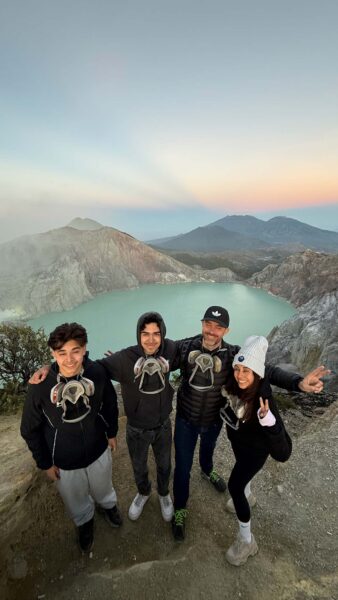
So, what makes Ijen Crater so special, you ask? Well, it’s famous for two main things: the mesmerizing electric blue flames that dance in the dark before sunrise, and its stunning, highly acidic turquoise crater lake. Imagine hiking in the pre-dawn hours, making your way down into a volcanic crater, and then suddenly seeing flames that look like something out of a sci-fi movie! It’s truly a sight to behold and one of those travel experiences that sticks with you long after you’ve returned home. Plus, the panoramic views from the crater rim at sunrise are absolutely breathtaking, revealing the vibrant turquoise lake in all its glory.
Related Article: Bromo Ijen Tour from Bali: Your Ultimate Adventure Guide
Getting to Ijen Crater: Your Journey Starts Here
Getting to Ijen Crater requires a bit of planning, but it’s totally worth the effort. The volcano is located on the border between Banyuwangi Regency and Bondowoso Regency in East Java, Indonesia. Most travelers base themselves in Banyuwangi, which is the closest major city with decent infrastructure.
Where is Ijen Crater Located?
Kawah Ijen is part of the larger Ijen volcano complex. It sits in the easternmost part of Java, making it a popular stop for those traveling between Java and Bali.
Transportation Options to Banyuwangi
- By Flight: The easiest way for many is to fly into Banyuwangi (BWX) airport. Several airlines offer direct flights from Surabaya (SUB) or Jakarta (CGK).
- By Train: A popular and scenic option is to take a train from Surabaya to Banyuwangi. The journey offers stunning views of Java’s countryside.
- By Bus: Buses are available from various cities in Java, though they can be less comfortable and slower than trains.
- From Bali: If you’re coming from Bali, you can take a ferry from Gilimanuk to Ketapang Harbor in Banyuwangi. This crossing is quite quick and affordable.
From Banyuwangi to Paltuding (Ijen Base Camp)
Once you’re in Banyuwangi, you’ll need to arrange transport to Paltuding, which is the ranger post and starting point for the Ijen Crater trek. This usually involves a roughly 1.5 to 2-hour drive. Many opt for:
- Tour Packages: Many local tour operators in Banyuwangi offer packages that include transport, a guide, and sometimes even a gas mask rental. This is often the most convenient option.
- Motorbike Rental: If you’re comfortable riding, you can rent a scooter or motorbike in Banyuwangi. Be prepared for steep, winding roads, especially in the dark.
- Private Car/Jeep: You can hire a private car or jeep with a driver. This offers flexibility and comfort, especially if you’re traveling with a group.
Essential Planning: Opening Hours & Best Time to Visit
Timing is everything when it comes to experiencing Ijen. Knowing the Ijen opening hours and the best season to visit can make a huge difference.
Ijen Crater Opening Hours
The gates at Paltuding typically open at 1:00 AM. This early start is crucial for those hoping to see the famous blue flames, which are only visible in complete darkness before the sun rises. The climb to the rim usually takes about 1.5 to 2 hours, and then another 30-45 minutes to descend into the crater for the blue fire view. After sunrise, the focus shifts to the stunning turquoise lake.
The Best Time of Year to Visit Ijen
The dry season, generally from May to September, is considered the best time to visit Mount Ijen. During these months, you’re more likely to have clear skies, less rain, and better visibility for both the blue flames and the sunrise views. The wet season (October to April) can bring heavy rains, making the trails slippery and potentially impacting visibility, though the crater is technically open year-round.
Weekdays vs. Weekends
Like many popular attractions, Ijen Crater tends to be more crowded on weekends and Indonesian public holidays. If you prefer a quieter experience, try to schedule your visit for a weekday.
Related Article: Yogyakarta Culture
Tickets & Fees: What You Need to Know
Before you hit the trail, you’ll need to sort out your entry tickets. Knowing the Mount Ijen tickets process is key.
Ijen Crater Ticket Prices
Ticket prices for Ijen Crater differentiate between Indonesian citizens and foreign tourists, and also between weekdays and weekends. As of recent times, expect to pay around IDR 100,000 for foreign tourists on weekdays and IDR 150,000 on weekends. These prices are subject to change, so it’s always a good idea to check the latest information before your trip.
Where to Buy Tickets
Tickets are purchased directly at the Paltuding ranger post, which is the starting point of the trek. You cannot buy them in advance online, so plan to arrive a little early to allow time for the purchase.
Additional Costs to Consider
Beyond the entrance fee, budget for a few other things:
- Guide: While not strictly mandatory (you can hike alone), hiring a local guide is highly recommended, especially if you plan to descend into the crater for the blue fire. They know the safest paths and can provide valuable insights.
- Gas Mask Rental: Absolutely essential for descending into the crater and for comfort even on the rim due to strong sulfur fumes. These can often be rented at Paltuding or included in tour packages.
- Porter/”Ojek Man”: If you struggle with the uphill climb, local porters (often called “Ojek Man” for their pushcarts) are available to literally push or pull you up the mountain for a fee.
- Food & Drinks: There are small stalls at Paltuding selling snacks and hot drinks, which are very welcome after the chilly hike.
Gear Up for Adventure: Essential Packing List
Preparation is vital for a safe and enjoyable Ijen Crater adventure. Don’t underestimate the conditions!
Warm Clothing & Layers
It gets incredibly cold on the mountain in the early hours, especially before sunrise. Wear layers that you can easily take off as you warm up during the hike. A warm jacket, thermal base layers, a hat, and gloves are highly recommended.
Sturdy Hiking Shoes
The trail can be steep, rocky, and uneven, especially on the descent into the crater. Good quality, closed-toe hiking shoes with ankle support and excellent grip are a must. Avoid sandals or casual sneakers.
Gas Mask & Headlamp
These two items are non-negotiable if you plan to go down into the crater, and even useful at the rim. A gas mask will protect you from the intense sulfur fumes, which can be irritating and dangerous. A headlamp (or a strong flashlight) is crucial for navigating the dark trails before dawn. Make sure to test your headlamp and bring extra batteries!
Water & Snacks
Stay hydrated! Bring at least 1-2 liters of water. Energy-boosting snacks like chocolate, nuts, or fruit will be your best friend during the demanding hike.
Backpack & Personal Items
A small backpack to carry your essentials, sunscreen for after sunrise, a small first-aid kit, and a power bank for your phone or camera are all good ideas. Don’t forget your camera to capture those incredible moments!
Related Article: Seamless Surabaya to Ijen Transfer: Your Ultimate Guide
The Ijen Crater Trek: What to Expect on the Trail
Let’s talk about the hike itself. It’s challenging but incredibly rewarding. The Ijen Crater trek offers a unique blend of physical exertion and stunning natural beauty.
The Ascent to the Rim
The first part of the hike from Paltuding to the crater rim is an uphill climb that usually takes between 1.5 to 2 hours, depending on your fitness level. The path is a well-trodden volcanic sand and gravel trail, but it can be steep in places. Take your time, walk at a comfortable pace, and enjoy the starry sky above.
Descending into the Crater for the Blue Fire
This is where things get a bit more challenging and potentially risky. The path down into the crater is very steep, rocky, and often slippery, especially in the dark. Visibility can be poor due to the dark and sulfur fumes. This descent is best done with a local guide who knows the terrain inside out. They will lead you to the best viewpoints safely.
Witnessing the Blue Fire Phenomenon
Once you’re in the crater, usually between 2 AM and 4 AM, you’ll see the ethereal blue flames. These aren’t lava; they’re ignited sulfuric gases escaping from cracks in the volcano at high pressures and temperatures, burning with a stunning blue glow. It’s a truly humbling experience to witness nature’s raw power up close. Remember to keep a safe distance and listen to your guide’s instructions.
The Turquoise Acidic Lake & Sulfur Miners
As dawn breaks, the blue flames fade, and the true spectacle of Ijen is revealed: the world’s largest acidic crater lake, shimmering an intense turquoise. This lake is incredibly dangerous, so absolutely no swimming! You’ll also likely see the incredibly resilient sulfur miners at work, extracting sulfur rock by hand and carrying heavy loads up and down the treacherous crater path. It’s a stark reminder of the harsh realities faced by these brave individuals. Please show respect and avoid obstructing their path.
The Descent Back to Paltuding
After enjoying the sunrise views from the rim and perhaps another peek into the crater lake, you’ll begin your descent back to Paltuding. The way down is much easier than the climb up, but still requires care as the path can be slippery. You’ll also get to enjoy the beautiful scenery that you missed in the dark hours.
Safety First: Important Tips for Your Ijen Visit
Your safety is paramount. Follow these tips for a secure Ijen volcano tour:
- Stay with Your Guide: Especially if you descend into the crater. They know the safe routes.
- Heed Warnings: Always pay attention to ranger warnings and your guide’s advice regarding wind direction and sulfur fumes.
- Maintain Distance from Sulfur Fumes: If the wind shifts and blows heavy sulfur gas your way, move away quickly. Don’t linger in thick fumes even with a mask.
- Respect the Miners: They are doing incredibly difficult and dangerous work. Give them space on the paths.
- Leave No Trace: Pack out everything you pack in. Do not litter. Help keep this incredible natural wonder pristine.
- Health Considerations: If you have respiratory issues, heart conditions, or are pregnant, consult your doctor before attempting this hike due to the sulfur fumes and physical exertion.
Related Article: Amazing Places to Visit in Bali, Indonesia
Accommodation Near Ijen Crater
Most visitors stay in Banyuwangi for the night before their early morning trek. You’ll find a range of options there, from budget guesthouses to more comfortable hotels. Some travelers prefer to stay even closer to Paltuding to cut down on travel time before the hike. Places like Catimor Homestay or Arabica Homestay are located on the slopes leading up to Ijen and offer very basic but convenient accommodation. Book in advance, especially during peak season.
Conclusion
Embarking on an Ijen Crater complete guide adventure is an experience that will challenge you physically but reward you with truly once-in-a-lifetime sights. From the mesmerizing blue flames to the stunning turquoise lake and the humbling sight of the sulfur miners, every moment at Ijen is unique. By following this guide on Ijen opening hours, securing your Mount Ijen tickets, and packing the right gear, you’ll be well-prepared for an incredible and safe journey. So, what are you waiting for? Start planning your trip to this magical Indonesian volcano today!

