
Hey there, fellow adventurers! Dreaming of conquering Mount Rinjani, Indonesia’s magnificent active volcano? It’s an epic journey, truly, but like any grand adventure into nature, there are a few important things to know before you lace up your boots. We’re talking about the crucial Mount Rinjani Trekking Rules, understanding the National Park Fees, and knowing exactly when the mountain is open for business. Getting familiar with these essentials isn’t just about following guidelines; it’s about ensuring your safety, preserving the stunning environment, and making sure your trek is as smooth and enjoyable as possible. So, grab a cuppa, and let’s dive into everything you need to know to plan your unforgettable Rinjani experience!
Understanding Mount Rinjani National Park
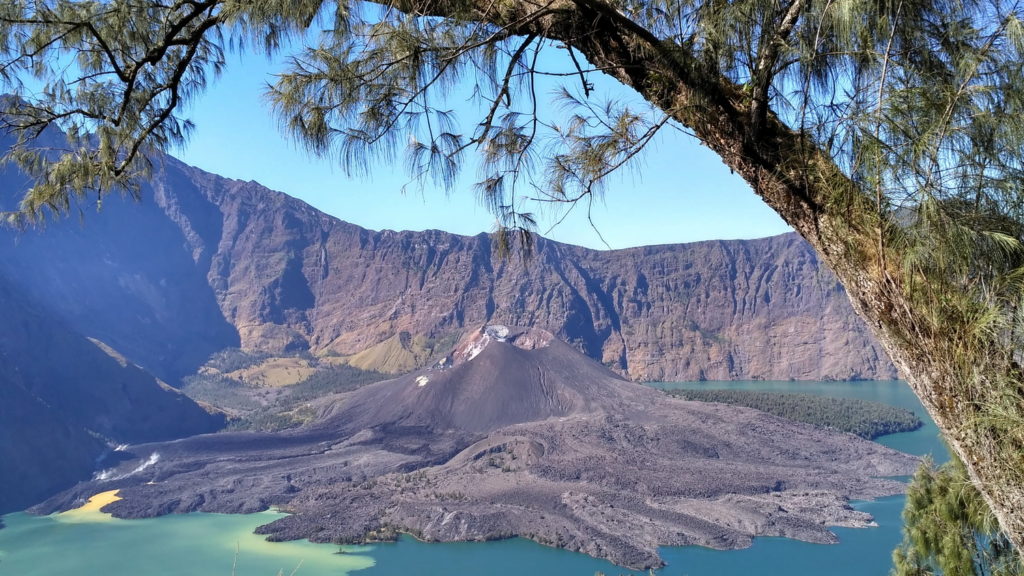
Before we get into the nitty-gritty of the rules, let’s set the scene. Mount Rinjani, towering at 3,726 meters (12,224 ft), is the second-highest volcano in Indonesia and is a protected area within the Gunung Rinjani National Park on Lombok Island. This stunning park isn’t just home to the volcano itself but also a spectacular caldera lake, Segara Anak, hot springs, and diverse flora and fauna. Because of its ecological significance and the sheer number of trekkers it attracts, maintaining its pristine condition and ensuring visitor safety is paramount. That’s where the Rinjani national park regulations come in.

Why Rinjani’s Rules Matter
You might wonder why there are so many rules for something as seemingly simple as hiking. Well, imagine thousands of trekkers each year, all wanting to experience this natural wonder. Without proper guidance, the environment could quickly degrade, and safety could be compromised. The Mount Rinjani Trekking Rules are designed to:
- Protect the Ecosystem: Minimize human impact on the delicate natural environment.
- Ensure Safety: Keep trekkers safe from the inherent dangers of a high-altitude volcanic trek.
- Manage Tourism: Regulate the flow of visitors to prevent overcrowding and maintain the quality of the experience.
- Support Local Communities: Many rules are designed to ensure sustainable tourism benefits local communities who depend on Rinjani.
Related Article: HOW TO GO TO MOUNT BROMO FROM BALI
Essential Mount Rinjani Trekking Rules You Must Know
Alright, let’s get down to business. These are the non-negotiables that every aspiring Rinjani conqueror needs to be aware of. Pay close attention!
Permits and Guides: Non-Negotiable
This is probably the most fundamental rule: you cannot trek Mount Rinjani independently. Every trekker is required to hire a licensed local guide and porters through an officially registered trekking operator. This isn’t just a suggestion; it’s a mandatory Rinjani safety guidelines measure. Why?
- Safety: Guides are experienced with the terrain, weather, and potential hazards. They know the emergency protocols.
- Navigation: The trails can be challenging and sometimes unclear, especially in poor weather.
- Support: Porters carry your gear, food, and camping equipment, making the trek more manageable.
- Conservation: Licensed operators and guides are trained in Leave No Trace principles and enforce them.
Your Rinjani permit cost typically includes the services of a guide and porters, so it’s all part of the package.
Environmental Responsibility: Leave No Trace
This rule is about respecting the mountain and its future. The principle of ‘Leave No Trace’ is strictly enforced. It means:
- Pack It In, Pack It Out: Absolutely everything you bring onto the mountain must come back down with you. This includes all your trash, food waste, and even cigarette butts. Yes, even that banana peel needs to go!
- No Littering: This should be a given, but it’s worth emphasizing.
- Stay on Designated Trails: Wandering off-trail can damage fragile vegetation and lead to erosion.
- Respect Wildlife: Do not feed or disturb animals.
- Proper Waste Disposal: Guides and porters are trained in proper human waste disposal techniques.
Adhering to these principles contributes directly to Rinjani conservation efforts and ensures the beauty of the park for generations to come.
Safety First: Gear and Physical Condition
Rinjani is no walk in the park; it’s a serious climb. The park management and your guides will expect you to be adequately prepared. This means:
- Appropriate Gear: You need proper hiking boots, warm clothing (layers are key!), rain gear, a headlamp, and a first-aid kit. The summit can be freezing, even in the dry season.
- Physical Fitness: Assess your physical condition honestly. The trek involves steep ascents, descents, and challenging terrain. Train beforehand if necessary.
- Health: Inform your guide of any medical conditions. Acclimatization to altitude is also a consideration, although Rinjani doesn’t typically pose severe risks for most trekkers.
Designated Trails and Camping Zones
You are only allowed to hike on the official, marked trails. Setting up camp is also restricted to designated camping areas to minimize environmental impact and manage waste effectively. Your guide will lead you to these spots.
Prohibited Activities
Several activities are strictly forbidden to ensure safety and environmental protection:
- Lighting Fires: Open fires are generally prohibited, especially outside designated camping areas, due to fire risk.
- Hunting or Disturbing Wildlife: The park is a sanctuary for various species.
- Vandalism: Defacing rocks, trees, or signs is strictly prohibited.
- Drugs and Alcohol: Not only are these illegal in Indonesia, but they also impair judgment, which can be dangerous on a challenging trek.
Related Article: Best Sunrise Spots in Bromo: Spectacular Views!
Mount Rinjani National Park Fees: What to Expect
Understanding the financial aspect of your trek is crucial. The National Park Fees are an essential part of the permit system and contribute significantly to the park’s upkeep and local communities.
Permit Costs for Locals and Foreigners
The entrance fees for Gunung Rinjani National Park vary depending on your nationality. Typically, foreign tourists pay a higher fee than Indonesian citizens. These fees can fluctuate, so it’s always best to check with your trekking operator or the official national park website for the most current rates.
- Foreign Tourists: The fees are generally structured per person per day. Expect to pay around IDR 150,000 – 250,000 per day (subject to change), often slightly higher on weekends/public holidays.
- Indonesian Citizens: A significantly lower daily rate applies.
What Do Your Fees Cover?
Your Rinjani permit cost and national park fees are not just about access. They play a vital role in the management and conservation of the park. These funds typically go towards:
- Park Maintenance: Trail upkeep, waste management, facility improvements.
- Ranger Salaries: Supporting the park rangers who ensure safety and enforce regulations.
- Conservation Programs: Funding initiatives for wildlife protection and ecosystem restoration.
- Local Community Development: A portion often supports local villages surrounding the park, encouraging their participation in sustainable tourism.
Additional Costs to Budget For (Porters, Guides, Equipment)
While the entrance fee is direct, remember that the total cost of your Mount Rinjani adventure involves more than just the park fee. You’ll need to budget for:
- Trekking Package: This is the biggest expense and usually includes your guide, porters, food, water, camping equipment (tents, sleeping bags, mattresses), and often transport to/from the starting point. Packages vary widely depending on duration (2D/1N, 3D/2N) and level of comfort.
- Personal Gear: If you don’t own proper hiking boots, a good backpack, warm jacket, etc., you’ll need to buy or rent them.
- Accommodation: Before and after your trek in Senaru or Sembalun.
- Tips: It’s customary and highly appreciated to tip your guide and porters for their hard work.
- Personal Expenses: Snacks, drinks, souvenirs, etc.
Always ask your trekking operator for a detailed breakdown of what’s included in their package to avoid any surprises regarding Rinjani permit cost and other expenses.
Related Article: Mount Bromo Sunrise Viewpoints: Ultimate Guide
Mount Rinjani Open Season: When to Plan Your Adventure
Timing your trek correctly is crucial for both safety and enjoyment. The mountain isn’t open year-round, and for good reason!
The Best Time to Trek (Dry Season)
The Mount Rinjani open season generally aligns with Indonesia’s dry season, which runs from April to November. During these months, you can expect:
- Clearer Skies: Better visibility for stunning panoramic views.
- Less Rain: Trails are less muddy and slippery, reducing the risk of accidents.
- Moderate Temperatures: While it can still get chilly at the summit, daytime temperatures are generally pleasant.
- Peak Season: This is the most popular time, especially July and August, so expect more trekkers.
Many consider May, June, and September to be the sweet spot – good weather without the peak crowds of July/August. This is definitely the best time to trek Rinjani if you want to maximize your chances of good weather and clear views.
What Happens During the Closed Season?
The Rinjani hiking season officially closes from December to March. This period coincides with Indonesia’s rainy season. Why the closure?
- Safety Risks: Heavy rainfall significantly increases the risk of landslides, flash floods, and slippery trails, making trekking extremely dangerous.
- Poor Visibility: Cloud cover can obscure views, taking away from the experience.
- Trail Damage: Intense rain can severely damage trails, requiring maintenance work after the season.
- Volcanic Activity: While less common, the park may also close temporarily due to increased volcanic activity or tremors at any time of year. Always check for the latest updates.
Attempting to trek during the closed season is not only against the Mount Rinjani Trekking Rules but also incredibly risky and potentially illegal. Do yourself a favor and plan for the open season!
Seasonal Considerations and Weather Warnings
Even within the open season, weather can be unpredictable, especially at higher altitudes. Always be prepared for sudden changes, including strong winds, fog, and rain. Your guide will be the best source of real-time information and will make decisions based on prevailing conditions. It’s not uncommon for the park to issue temporary closures or restrictions if weather conditions become too hazardous.
Related Article: Amazing Places to Visit in Bali, Indonesia
Preparing for Your Rinjani Trek: Beyond the Rules
Now that you’re well-versed in the Mount Rinjani Trekking Rules, national park fees, and the open season, let’s talk about some final preparation tips to make your adventure truly unforgettable.
Booking Your Trek
Don’t just show up and expect to find a trek! Book your tour with a reputable and licensed trekking operator well in advance, especially if you’re traveling during peak season. Research different operators, read reviews, and ensure they adhere to all park regulations and ethical practices, including fair wages for guides and porters. This will cover your Rinjani permit cost and other logistics efficiently.
Physical and Mental Preparation
As mentioned, Rinjani is challenging. Incorporate regular cardio and strength training into your routine in the months leading up to your trek. Mentally prepare yourself for long days, steep climbs, basic camping conditions, and potentially cold weather. A positive attitude goes a long way!
Packing Smart
Your trekking operator will usually provide a detailed packing list. Here are some key items to double-check:
- Layers of Clothing: For varying temperatures (base layers, fleece, waterproof outer shell).
- Good Hiking Boots: Broken-in and waterproof.
- Backpack: Comfortable and large enough for your personal items.
- Headlamp: Essential for night hiking (especially for the summit push).
- Sun Protection: Hat, sunglasses, sunscreen.
- Water Bottle/Hydration System: Stay hydrated!
- Snacks: Energy bars, nuts, dried fruit for quick boosts.
- Camera: To capture those incredible views (don’t forget spare batteries!).
Remember the ‘Pack It In, Pack It Out’ rule when considering your packing list. Every little bit of trash you bring contributes to the overall cleanliness of the mountain.
Conclusion
Trekking Mount Rinjani is an experience that will challenge you, inspire you, and leave you with memories to last a lifetime. By understanding and respecting the essential Mount Rinjani Trekking Rules, budgeting for the National Park Fees, and timing your visit during the official Mount Rinjani open season, you’re not just ensuring your own safety and enjoyment, but also contributing to the preservation of this incredible natural wonder. So, do your homework, prepare well, and get ready for an adventure that promises breathtaking vistas and a profound connection with nature. Happy trekking!

