

East Java is an absolute gem, isn’t it? From the ethereal blue flames of Ijen Crater to the majestic sunrise over Mount Bromo and the secluded nesting grounds of Sukamade Turtle Beach, it’s a region that captivates hearts and imaginations. As more travelers discover these breathtaking wonders, it’s important to talk about the growing footprint of travel here. Understanding the East Java tourism environmental impact is the first step towards ensuring these incredible places remain pristine for generations to come. So, let’s chat about what’s happening and, more importantly, how we can all be part of the solution!
 The Allure of East Java: Why it Matters
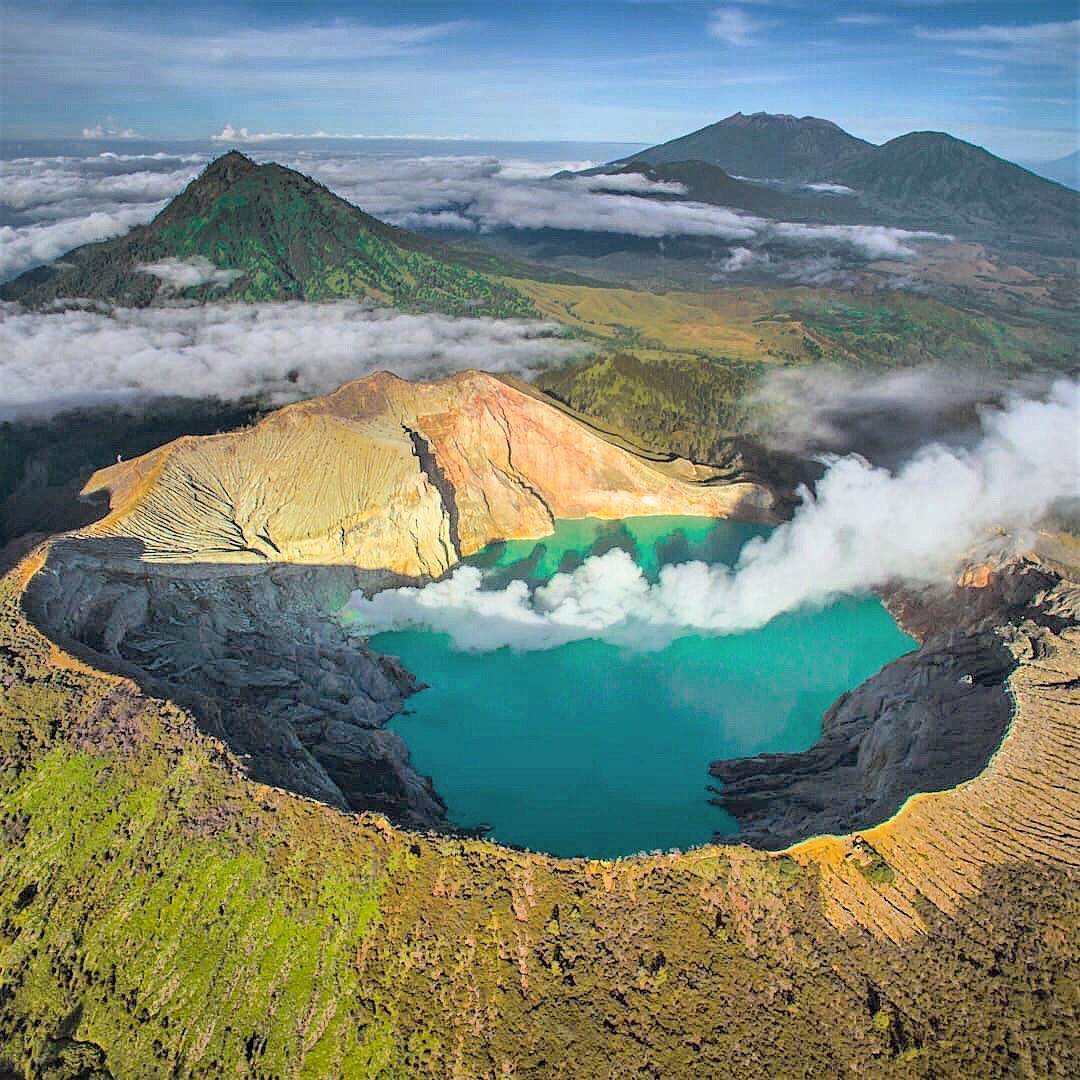
Imagine gazing into the surreal turquoise lake of Kawah Ijen or watching baby turtles make their dash for the ocean at Sukamade. These aren’t just pretty pictures; they’re vital ecosystems and cultural landscapes. East Java’s natural beauty draws adventurers, photographers, and nature lovers from all corners of the globe. The economic benefits of this tourism are undeniable, providing livelihoods for countless local communities. However, this popularity comes with a responsibility to manage its impact carefully.
Related Post: Mount Bromo Camping Tour: Milky Way & Sunrise Magic
Understanding the Environmental Footprint
While tourism brings many positives, it also presents challenges to East Java’s delicate environment. Let’s break down some of the key areas where our collective actions, big or small, can make a difference.
Habitat Disruption and Biodiversity Loss
Increased human activity, even well-intentioned, can disturb wildlife and their habitats. Think about the trails leading up to Ijen or Bromo – erosion can occur, and litter can find its way into protected areas. Noise pollution and the sheer presence of people can stress animals, altering their natural behaviors. Unique species in areas like Sukamade, a critical nesting site, are particularly vulnerable.
Waste Management Challenges
This is a big one. More tourists mean more waste, especially single-use plastics. Many remote areas in East Java simply don’t have the infrastructure to handle the volume of trash generated. You might have seen it firsthand on trails or around popular viewpoints. Improper waste disposal pollutes land, waterways, and oceans, harming wildlife and local communities.
Water and Energy Consumption
Hotels, guesthouses, and restaurants catering to tourists consume significant amounts of water and energy. In areas where resources are already stretched, this can put pressure on local supplies. Being mindful of your own consumption during your stay, even turning off lights or taking shorter showers, can help lessen this strain.
Air and Noise Pollution
The journey to many of East Java’s attractions often involves vehicle travel. Emissions from cars and buses contribute to air pollution. Similarly, large groups of people, especially at popular sunrise spots, can create a lot of noise, disrupting the peace and tranquility that many visitors seek, and impacting local wildlife.
Strain on Local Resources
Beyond water and energy, the infrastructure itself can feel the pressure. Roads, waste facilities, and even local food supplies can become strained with high visitor numbers, impacting the quality of life for residents and the authenticity of the travel experience.
The Gem of Ijen Crater: A Case Study
Kawah Ijen, with its mesmerizing blue flames and acidic crater lake, is undoubtedly one of East Java’s most iconic destinations. Its unique geology attracts thousands, and popular tours such as the Ijen Crater Sunrise Tour from Banyuwangi or even a focused Ijen Blue Fire Tour are incredibly sought after. For those coming from outside Java, joining an Ijen Volcano Tour from Bali or the more comprehensive Ijen Blue Fire Tour from Bali makes the adventure accessible. However, such popularity means the mountain trails, the crater rim, and the surrounding communities face increased pressure from foot traffic, potential litter, and resource usage. Responsible trekking and respecting local guidelines are crucial here.
Related Post: How to get to Bromo from Yogyakarta by train
Protecting Sukamade’s Gentle Giants
Further south, hidden within the Meru Betiri National Park, lies Sukamade Turtle Beach, a truly special place where several species of sea turtles come to lay their eggs. Participating in a dedicated Sukamade Turtle Beach Tour offers an incredible, humbling experience. Because this is a critical nesting habitat, human presence must be managed with the utmost care. Lights, noise, and any disruption can deter nesting mothers or disorient hatchlings. Choosing tour operators who prioritize conservation, maintain small group sizes, and follow strict protocols is essential to protect these endangered creatures.
Embracing Sustainable Travel in East Java: Your Role
Good news! As a traveler, you have immense power to make a positive impact. Every choice you make, from what you pack to who you tour with, can contribute to preserving East Java’s magic. Here are some actionable tips:
Pack Light, Pack Smart
Try to reduce your luggage weight to lessen transportation fuel consumption. Opt for reusable items: a water bottle, a coffee cup, and a cloth bag are your best friends. This significantly cuts down on waste.
Support Local and Eco-Friendly Businesses
Seek out accommodations, restaurants, and tour operators that demonstrate a commitment to sustainability. Ask them about their waste management, energy use, and how they support the local community. For example, when looking for a multi-destination adventure like an Ijen Bromo Tour, inquire about their eco-practices.
Respect Wildlife and Nature
Keep a safe distance from animals, never feed them, and never take anything from their natural habitat – not a pebble, not a leaf. Stick to marked trails, especially in national parks and protected areas. When planning an extended trip like the Ijen Sukamade tour from Surabaya (4 Days 3 Nights), ensure your guides are knowledgeable about local wildlife etiquette.
Mind Your Waste
Beyond reusable items, carry out everything you carry in. If you can’t find a proper bin, take your trash with you until you do. Even better, participate in local clean-up initiatives if you come across any! This is particularly vital in places like Ijen Crater Tour from Banyuwangi where the environment is quite fragile.
Choose Responsible Tour Operators
This is paramount. Look for operators who prioritize local employment, minimize environmental impact, educate their guests, and contribute to conservation efforts. If you’re considering a grand tour from Surabaya that covers multiple highlights, such as the Surabaya Mount Bromo Sukamade Ijen Crater Tour or a similar Surabaya Ijen Sukamade Bromo Tour, vetting their commitment to responsible tourism is a must. Similarly, for those coming from Bali for a diverse experience, an option like the 3D2N Bali to Sukamade Turtle Beach & Ijen Crater Adventure Tour or a Kawah Ijen Sukamade Tour from Bali should be chosen carefully based on their ethical practices.
Related Post: Yogyakarta Tour Package Comparison: Choosing Your Ideal Trip
Practical Steps for a Positive Impact
Beyond the personal choices, you can actively seek out tours that are designed with sustainability in mind. Many operators are now offering trips that blend adventure with environmental consciousness. Always ask questions before you book! For instance, when booking an Ijen Blue Fire Tour, inquire about their waste disposal policies at the mountain. Being informed empowers you to make better choices and support the businesses that are genuinely trying to do good.
Conclusion
East Java is a treasure, and its future as a stunning travel destination lies in our hands. While the East Java tourism environmental impact is a significant concern, it’s not insurmountable. By making conscious choices, supporting responsible businesses, and embracing a mindset of respect and preservation, every traveler can become a guardian of this incredible region. Let’s work together to ensure that the beauty of Ijen, Bromo, Sukamade, and beyond thrives for all to enjoy, now and for many years to come.

