

Discovering Java: The Ultimate Guide for Travelers
Java, Indonesia’s most populous and dynamic island, is often considered the heart of the country. Known for its blend of history, spirituality, natural wonders, and urban excitement, Java offers travelers a tapestry of unique experiences. From UNESCO World Heritage Sites to bustling cities, waterfalls, volcanoes, and pristine beaches, Java promises unforgettable adventures for all types of travelers.
Why Choose Java?
Java boasts some of the world’s most stunning natural landscapes (from active volcanoes to lush rainforests, waterfalls and coastal paradises), populated island, unique local culture, food & people. Java’s rich history, blended with traditional and contemporary cultures, is seen everywhere—from ancient temples to art deco buildings, handicrafts, and local cuisines. Java is a well-connected island with extensive transportation networks, making travel between cities and sites accessible and enjoyable.
Top Tourist Destinations in Java
1. Jakarta:
As Indonesia’s capital and largest city, Jakarta is a dynamic metropolis blending history, culture, and modern urban life. It serves as the nation’s political, economic, and cultural hub, offering a variety of attractions for visitors.
Kota Tua (Old Town): Step back in time as you explore Jakarta’s historic heart, a district filled with preserved Dutch colonial architecture. Visit the Fatahillah Square, home to the Jakarta History Museum (formerly the City Hall), the Wayang (Puppet) Museum showcasing traditional Javanese shadow puppets, and the Fine Arts and Ceramics Museum. Wander the cobbled streets, enjoy street performers, and try authentic Indonesian snacks from local vendors.
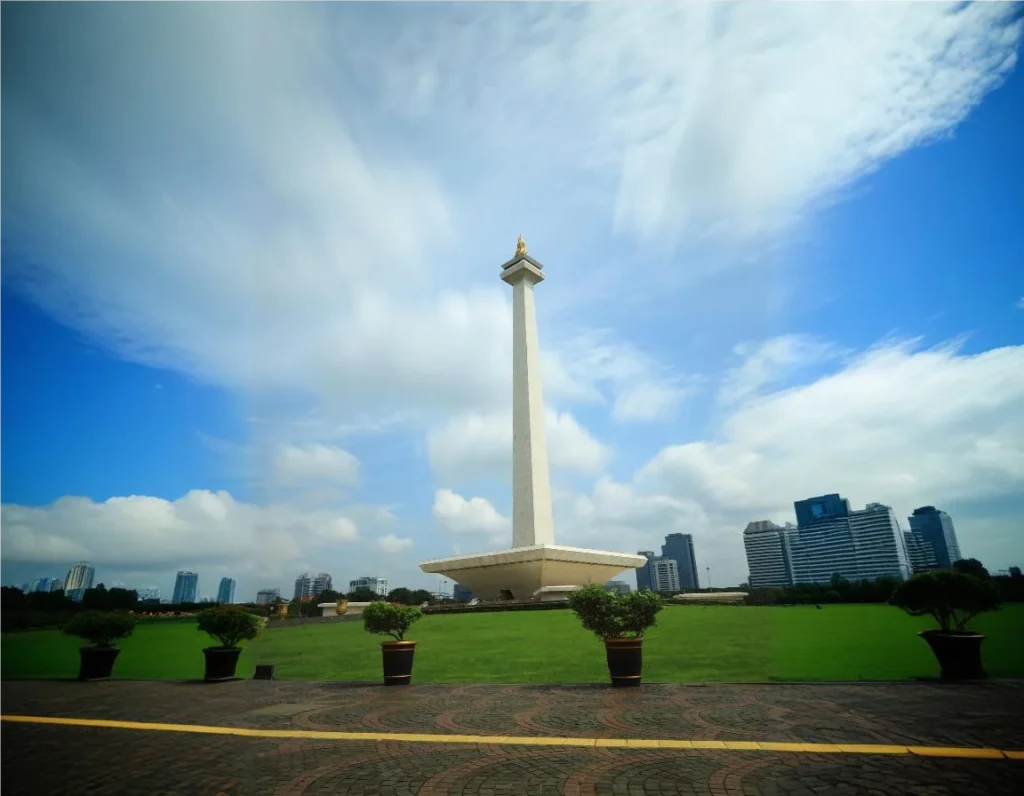
National Monument (Monas): Standing at 132 meters, Monas is a symbol of Indonesia’s struggle for independence. The base houses a historical museum detailing the nation’s journey, while the observation deck at the top offers sweeping views of Jakarta’s skyline. Visit in the evening to enjoy its illuminated beauty.
 Istiqlal Mosque and Jakarta Cathedral:
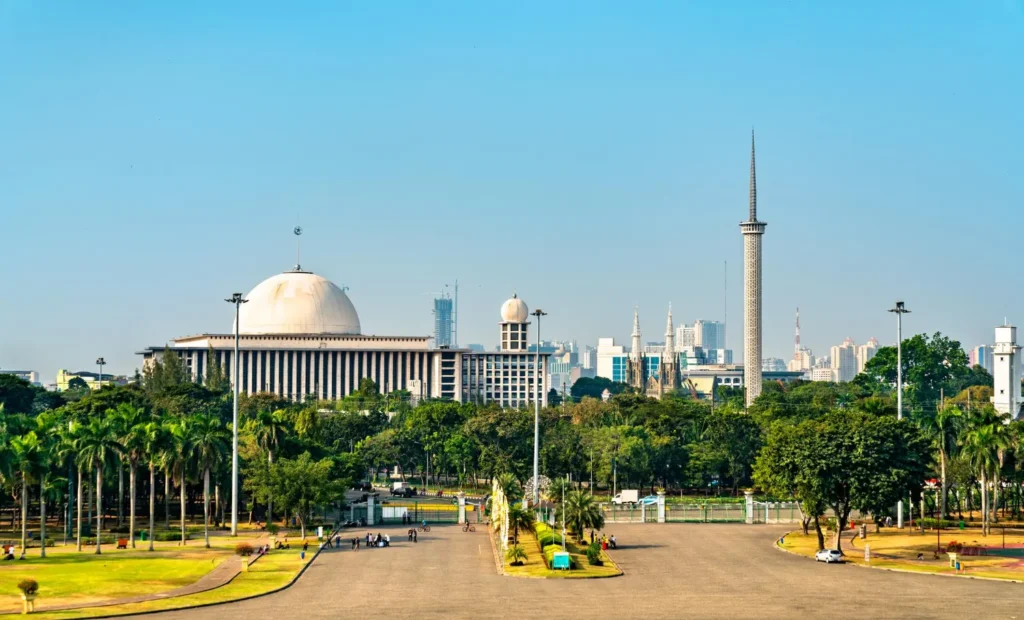
Located directly across from each other, these landmarks exemplify Indonesia’s spirit of religious harmony. Istiqlal Mosque, the largest in Southeast Asia, features impressive modernist architecture and can accommodate over 200,000 worshippers. Meanwhile, the Jakarta Cathedral, built in neo-Gothic style, boasts stunning stained-glass windows and ornate interiors.
Istiqlal Mosque and Jakarta Cathedral:
Located directly across from each other, these landmarks exemplify Indonesia’s spirit of religious harmony. Istiqlal Mosque, the largest in Southeast Asia, features impressive modernist architecture and can accommodate over 200,000 worshippers. Meanwhile, the Jakarta Cathedral, built in neo-Gothic style, boasts stunning stained-glass windows and ornate interiors.
The National Museum of Indonesia : Located in Jakarta, is a cultural treasure trove showcasing the nation’s rich history, art, and heritage. Nicknamed the “Elephant Building” for the bronze elephant statue in its courtyard, the museum houses extensive collections of artifacts, including ancient sculptures, textiles, ethnographic exhibits, and archaeological treasures, offering a comprehensive look into Indonesia’s diverse cultures and civilizations.
Shopping in Grand Indonesia and Thamrin City: For a mix of luxury and local flavor, Grand Indonesia Mall offers international brands, upscale dining, and entertainment. Nearby, Thamrin City caters to those seeking batik clothing, souvenirs, and local crafts at affordable prices.
Whether delving into Jakarta’s rich history, admiring its architectural landmarks, or indulging in retail therapy, this city provides a fascinating introduction to Indonesia’s vibrant culture.
2. Bogor and Puncak Highlands:
Just an hour’s drive from Jakarta, these areas are known for their cooler climates, lush greenery, and serene landscapes, making them perfect for a quick escape from the bustling capital.
Bogor Botanical Gardens: Spanning 87 hectares, these historic gardens were established during the Dutch colonial period and serve as a center for botanical research. With over 15,000 plant species, including giant Rafflesia flowers and ancient trees, the gardens are a haven for nature enthusiasts. Stroll through picturesque paths, visit the tranquil Gunting Pond, and admire the iconic Presidential Palace located within the grounds.
Gunung Mas Tea Plantation: Nestled in the rolling hills of Puncak, this tea plantation offers sweeping views of vibrant green landscapes. Visitors can take guided tours to learn about the tea production process, enjoy leisurely walks through the plantations, or sip fresh tea at the on-site cafes while breathing in the crisp mountain air. Scenic viewpoints along the winding roads in Puncak provide breathtaking photo opportunities.
Taman Safari Indonesia: This family-friendly safari park offers a unique wildlife experience, allowing you to drive through enclosures and observe animals like zebras, tigers, and elephants roaming freely. The park also features interactive attractions such as animal feeding, live shows, and a nighttime safari. It’s a fantastic destination for nature lovers and families looking for an engaging adventure.
Whether you’re admiring the diverse plant life, exploring tea fields, or getting up close with wildlife, Bogor and Puncak Highlands promise a refreshing retreat from urban life.
3. Bandung:
Known as the “Paris of Java,” Bandung offers a mix of natural beauty, cultural charm, and urban sophistication. Its cool climate, lush landscapes, and colonial-era architecture make it a favorite destination for both relaxation and exploration.
Tangkuban Perahu Volcano: Located just outside the city, this active stratovolcano is steeped in local legend. Visitors can walk along the crater rim, take in the stunning views, and even spot bubbling mud pools and steaming vents. The sulfuric smell adds to the raw, volcanic experience.
Kawah Putih (White Crater): This otherworldly volcanic lake, with its turquoise waters and chalky white shores, is surrounded by dense forest. The misty atmosphere and sulfur-laden air create an almost dreamlike setting, ideal for photography and peaceful contemplation.
Dago and Riau Streets: Famous for their trendy factory outlets, these streets are a paradise for fashion enthusiasts. Offering high-quality clothing at discounted prices, they’re perfect for a leisurely shopping spree while soaking in the vibrant city atmosphere.
Lembang Floating Market: A delightful food market where vendors sell local delicacies and snacks from traditional boats floating on a serene lake. Visitors can sample a wide variety of dishes, enjoy the scenic surroundings, and experience the unique charm of Bandung’s culinary scene. Whether you’re hiking volcanoes, shopping for bargains, or savoring delicious local cuisine, Bandung has something for everyone.
4. Pangandaran:
Located along Java’s southern coast, Pangandaran is a charming destination offering stunning beaches, thrilling adventures, and fresh seafood delights.
Pangandaran Beach: This popular beach boasts soft sand, rolling waves, and breathtaking sunsets. It’s a hub for activities like surfing, swimming, and beachside relaxation. Don’t miss the fresh seafood stalls lining the shore.
Green Canyon (Cukang Taneuh): A hidden gem with emerald-green waters flowing through a dramatic canyon surrounded by lush jungle. Visitors can take a boat ride, swim in the clear waters, or experience the thrill of cliff jumping.
Batu Karas Beach: A tranquil spot known for its laid-back vibe and consistent surf breaks, making it a favorite among surfers. It’s also a great place to enjoy local cuisine or simply relax with fewer crowds.
5. Yogyakarta:
Known as the soul of Java, is famous for its vibrant art scene, royal heritage, and ancient temples:
 Borobudur Temple:
The largest Buddhist temple in the world and a UNESCO World Heritage Site, Borobudur features nine stacked platforms adorned with thousands of intricate stone carvings depicting Buddhist teachings. Sunrise visits offer breathtaking views of the temple and surrounding misty landscapes.
Borobudur Temple:
The largest Buddhist temple in the world and a UNESCO World Heritage Site, Borobudur features nine stacked platforms adorned with thousands of intricate stone carvings depicting Buddhist teachings. Sunrise visits offer breathtaking views of the temple and surrounding misty landscapes.

Prambanan Temple: A magnificent Hindu temple complex dating back to the 9th century, Prambanan is renowned for its towering spires and detailed reliefs depicting stories from the Ramayana. It’s especially enchanting during sunset or when paired with a traditional Ramayana ballet performance nearby.
Kraton (Sultan’s Palace): This royal palace serves as the cultural hub of Yogyakarta and a living museum of Javanese traditions. Visitors can explore its ornate halls, witness classical dance and gamelan performances, and learn about the history of the Sultanate.
Malioboro Street: The bustling heart of Yogyakarta, this iconic street is a vibrant mix of shops, street vendors, and food stalls. It’s the perfect place to shop for batik, silver crafts, and souvenirs, or to savor local delicacies like gudeg and bakpia.
6. Surabaya
Indonesia’s second-largest city, Surabaya, combines a rich historical legacy with modern urban life, making it a fascinating destination for culture, shopping, and food enthusiasts.
Heroes Monument (Tugu Pahlawan): Standing as a symbol of Indonesia’s struggle for independence, this 41-meter-tall obelisk is surrounded by a well-maintained park and a museum detailing Surabaya’s role in the 1945 Battle of Surabaya.
House of Sampoerna: A beautifully preserved colonial building that serves as a museum of the tobacco industry. Visitors can explore exhibits on cigarette production and watch skilled workers hand-roll iconic clove cigarettes in a working factory.
Cheng Hoo Mosque: A striking blend of Chinese and Islamic architecture, this mosque features red and green pagoda-style roofs and intricate carvings, reflecting the multicultural heritage of Surabaya.
Suramadu Bridge: Spanning 5.4 kilometers over the Madura Strait, this modern engineering marvel connects Surabaya to Madura Island. It’s a great spot for panoramic views, especially at sunset or when illuminated at night.
7. Mount Bromo:
 Mount Bromo, a captivating active volcano, is a must-visit for nature enthusiasts and adventure seekers. Nestled within the breathtaking Bromo Tengger Semeru National Park, it offers a truly unforgettable experience.
Sunrise Spectacle: Witness a breathtaking sunrise from one of the many viewpoints. As the first rays of dawn illuminate the sky, you’ll be rewarded with a panoramic view of Mount Bromo, shrouded in mist, and the majestic Mount Semeru, often emitting plumes of smoke.
Volcanic Sand Sea: Explore the vast expanse of volcanic sand that surrounds Mount Bromo. The otherworldly landscape, dotted with volcanic cones and craters, creates a surreal atmosphere.
Thrilling Adventures: Embark on a thrilling jeep ride across the sandy plains, traversing the rugged terrain and reaching the iconic viewpoints. For the more adventurous, trekking to the rim of the crater offers a closer look at the volcano’s active vent and the stunning panorama below.
8. Ijen Crater: The most beautiful volcano with its crater lake that you can see only in Java Island.
 Kawah Ijen (Ijen Crater):
Famous for its rare “blue flames,” caused by ignited sulfuric gases, this natural phenomenon can be seen at night under the right conditions. However, the visibility of the blue flames depends on weather and volcanic activity, so it’s not always guaranteed.
Kawah Ijen (Ijen Crater):
Famous for its rare “blue flames,” caused by ignited sulfuric gases, this natural phenomenon can be seen at night under the right conditions. However, the visibility of the blue flames depends on weather and volcanic activity, so it’s not always guaranteed.
The trek to the crater is physically demanding but rewarding, offering a unique opportunity to meet the resilient sulfur miners and take in the dramatic volcanic landscape.
Prepare for an unforgettable adventure into one of Indonesia’s most iconic natural wonders!

9. Malang:
A picturesque city in East Java, offers a delightful blend of natural beauty, cultural heritage, and vibrant local life.
 Mount Semeru:
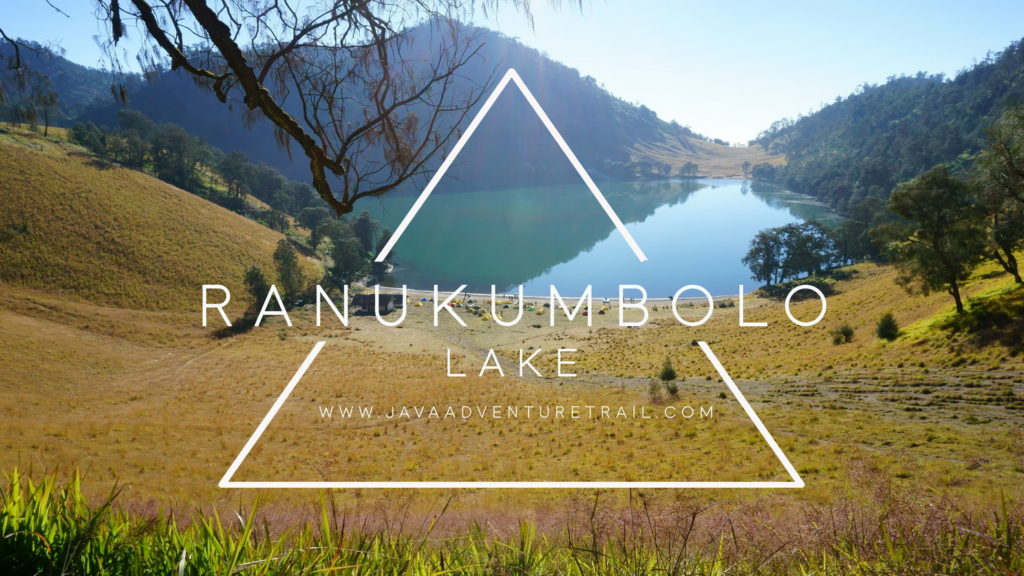
A Majestic Peak: For the adventurous, Mount Semeru, Indonesia’s highest peak, beckons. This active volcano offers challenging treks through diverse landscapes, from lush rainforests to volcanic terrains. However, due to its active nature and strict regulations, hiking permits are required, and the mountain may be closed during periods of increased volcanic activity.
Mount Semeru:
A Majestic Peak: For the adventurous, Mount Semeru, Indonesia’s highest peak, beckons. This active volcano offers challenging treks through diverse landscapes, from lush rainforests to volcanic terrains. However, due to its active nature and strict regulations, hiking permits are required, and the mountain may be closed during periods of increased volcanic activity.
 Rainbow Village (Jodipan):
A Colorful Wonderland: Immerse yourself in a riot of colors at Jodipan, a vibrant village transformed by local artists. Admire the colorful murals and painted houses that adorn the streets, creating a cheerful and Instagram-worthy atmosphere.
Rainbow Village (Jodipan):
A Colorful Wonderland: Immerse yourself in a riot of colors at Jodipan, a vibrant village transformed by local artists. Admire the colorful murals and painted houses that adorn the streets, creating a cheerful and Instagram-worthy atmosphere.
Coban Rondo Waterfall: A Serene Retreat: Escape the hustle and bustle and unwind at Coban Rondo Waterfall. Surrounded by lush greenery, this picturesque waterfall offers a tranquil setting for a picnic or simply a moment of peace.
 Tumpak Sewu Waterfall:
A Natural Spectacle: For those seeking an adrenaline rush, Tumpak Sewu Waterfall is a must-visit. This awe-inspiring multi-tiered waterfall cascades down a steep cliff, creating a breathtaking sight. While the journey to reach the waterfall can be challenging, the reward is a truly unforgettable experience. To make the most of your visit, it’s recommended to stay overnight near the waterfall to avoid the long journey and enjoy the serene atmosphere.
Tumpak Sewu Waterfall:
A Natural Spectacle: For those seeking an adrenaline rush, Tumpak Sewu Waterfall is a must-visit. This awe-inspiring multi-tiered waterfall cascades down a steep cliff, creating a breathtaking sight. While the journey to reach the waterfall can be challenging, the reward is a truly unforgettable experience. To make the most of your visit, it’s recommended to stay overnight near the waterfall to avoid the long journey and enjoy the serene atmosphere.
Insider Tips for Java Travelers
- Plan for Climate Variation: Java’s weather can vary widely depending on the altitude and region. While coastal cities like Surabaya and Jakarta are warm, mountainous areas like Bromo and Ijen can be cold, especially in the morning.
- Respect Local Customs: Java’s local culture is rooted in traditional customs, especially in rural areas. Dressing modestly, particularly when visiting temples and mosques, is respectful. This island is not Bali, so it has different expectations & knowledge about foreigners.
- Explore by Train: Java’s extensive train network offers scenic rides through rice fields, mountains, and villages. The route from Jakarta to Bandung, Bandung/Jakarta to Yogyakarta & Yogyakarta to Surabaya, in particular, is scenic and offers comfort at an affordable price. Taking bus is not really recommended, we recommend hire local travel agent if you want to explore by car.
- Enjoy Local Cuisine: From street food to upscale restaurants, Javanese cuisine is known for its bold flavors. Must-try dishes include *gudeg* (jackfruit stew), *sate* (skewered meat), *nasi goreng* (fried rice), and *gado-gado* (vegetable salad with peanut sauce). And there are more hundred foods that you can find along the way.
- Engage Local Guides: To get the most out of historical and cultural sites, hiring a knowledgeable local guide can greatly enhance your experience. Guides can offer rich insights and stories about temples, landmarks, and traditions. We recommend 100% hiring local travel agent, not only for better exploring the area but also you support them as part of tourism based on eco tourism that has also good impact to the local people in the area itself.
Suggested 11-Day Itinerary for Java
- Day 1-2: Arrive in Jakarta. Visit Old Town, National Monument, and explore the city’s vibrant dining and shopping spots.
- Day 3-4: Travel to Bandung, visit Tangkuban Perahu, Kawah Putih, and go shopping
- Day 5-6: Head to Yogyakarta by Train to explore Borobudur, & Prambanan Temple – Travel to Bromo by train on 7th morning
- Day 7-8: Take a sunrise trip to Mount Bromo, and enjoy a jeep ride across the sea of sand. Travel to Ijen Crater area (Bondowoso) by car on 8th.
- Day 9: Hike to Ijen Crater at night – travel to Tumpak Sewu waterfall area
- Day 10: Explore Tumpak Sewu Waterfall and explore Malang Town afterward
- Day 11: Return to Surabaya for a city tour before departure.
In Conclusion:
Java’s blend of modern cities, historic sites, stunning landscapes, and unique cultural heritage makes it one of Indonesia’s most captivating destinations. Whether you’re an adventure-seeker, history buff, or cultural explorer, Java offers endless opportunities to experience the best of Indonesia.

