

Dreaming of capturing Indonesia’s most breathtaking volcanic landscapes? Mount Bromo’s ethereal sunrise and Kawah Ijen’s otherworldly blue flames offer unparalleled photo opportunities, but they come with unique challenges. Getting those iconic shots requires a bit of preparation and the right approach. That’s exactly why we’ve put together these essential Ijen Bromo photography tips to help you nail every frame!
Whether you’re a seasoned travel blogger or a tourist with a passion for photography, this guide will walk you through everything you need, from gear choices to specific shooting techniques, ensuring your memories of these magnificent volcanoes are beautifully preserved.
 Gear Up: Essential Photography Equipment
Before you even think about camera settings, let’s talk about what to bring. These volcanic terrains are demanding, so having the right volcano photography gear is crucial for both success and safety.
Cameras and Lenses
- Full-Frame or APS-C DSLR/Mirrorless: A camera that performs well in low light is your best friend, especially for Ijen’s blue fire.
- Wide-Angle Lens (14-24mm or similar): Absolutely essential for capturing the vast landscapes of Bromo’s caldera, the Milky Way (if you’re lucky!), and the expansive Ijen crater lake. This is key for epic wide-angle lens Bromo shots.
- Mid-Range Zoom (24-70mm or similar): Versatile for general shots, capturing details, and portraits.
- Telephoto Lens (70-200mm or similar): Great for compressing perspective, isolating Bromo’s peak against the sunrise, or getting closer shots of sulfur miners at Ijen from a safe distance.
Tripods and Remote Shutters
A sturdy tripod isn’t optional; it’s mandatory! For long exposure shots of Ijen’s blue fire and sharp sunrise images at Bromo, you need stability. A remote shutter release (or using your camera’s self-timer) will prevent camera shake and ensure crisp photos, especially in low light conditions where long exposure Ijen techniques are vital.
Batteries and Storage
Cold weather drains batteries faster, and you’ll be shooting a lot! Bring at least 3-4 fully charged batteries. Also, pack multiple high-capacity SD cards. You don’t want to run out of juice or space when that perfect shot appears.
Protection for Your Gear
Volcanic ash, sulfur fumes, and dust are no joke. Bring rain covers for your camera, lens cloths, and a good dust-resistant bag. Zip-lock bags can offer extra protection against dust and moisture.
Related Post: Mount Bromo Sunrise Viewpoints: Ultimate Guide
Conquering Kawah Ijen: Blue Fire & Crater Lake Photography
Kawah Ijen is a truly unique destination, famous for its mesmerizing blue flames that can only be seen in the dark. Capturing this phenomenon and the vibrant turquoise lake presents exciting Kawah Ijen photo tips challenges.
Shooting the Ethereal Blue Fire
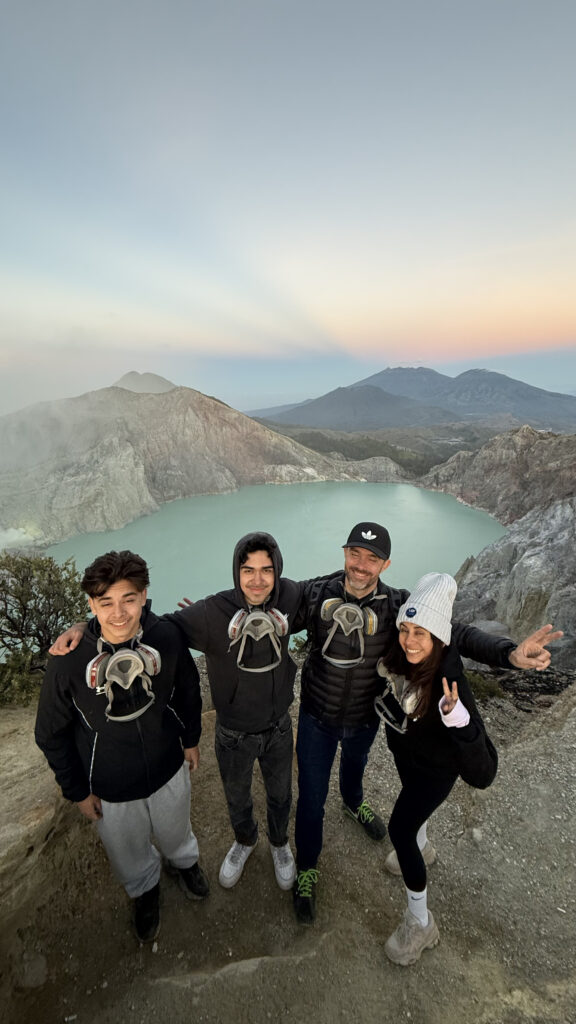
This is where your low-light skills will shine. You’ll need to descend into the crater in the pre-dawn hours, so safety is paramount. Make sure you have a gas mask and a local guide. To photograph the Ijen blue fire photography, here are some settings to consider:
- ISO: Start around 1600-3200, but adjust based on your camera’s noise performance.
- Aperture: f/2.8 – f/4 to gather as much light as possible.
- Shutter Speed: This is the tricky part for night photography Ijen. You’ll be doing long exposures, typically 15-30 seconds or even longer, to capture the movement and glow of the flames. Use your tripod and remote shutter!
- Focus: Manual focus is usually best in such dark conditions. Focus on a distant light source or the flames themselves.
Many travellers choose a dedicated tour to experience this wonder. For example, embarking on an Ijen Blue Fire Tour from Banyuwangi or even a comprehensive Ijen Blue Fire Tour from Bali can simplify logistics and ensure you have expert guidance. If you’re coming from Banyuwangi and want to catch the dawn, an Ijen Crater Sunrise Tour often includes the blue fire experience. For those looking for broader explorations, a full Ijen Crater Tour from Banyuwangi can be incredibly rewarding.
Capturing the Turquoise Lake & Sulfur Miners
As dawn breaks, the scene transforms dramatically. The acid crater lake reveals its stunning, vibrant turquoise hue. This is a powerful contrast to the blue fire. For these shots:
- Composition: Include the entire lake, the surrounding rocky terrain, and perhaps even the resilient sulfur miners to add a human element and scale.
- Light: The early morning light can be harsh, so look for softer light during golden hour or use filters (like a CPL) to reduce glare on the water.
- Respect: Always be mindful and respectful of the miners. Ask for permission before taking their photos, and never impede their work.
Considering an Ijen Volcano Tour from Bali can be a convenient way to visit this incredible place, often combining the blue fire and crater views.
Related Post: Best Sunrise Spots in Bromo: Spectacular Views!
Mastering Mount Bromo: Sunrise & Volcanic Landscapes
Mount Bromo is iconic for its breathtaking sunrise views, often shrouded in mystical fog and backed by a dramatic volcanic range. Getting your perfect Bromo sunrise photography shot here is a right of passage for many photographers.
Best Spots for Bromo Sunrise Photography
There are several viewpoints offering different perspectives:
- King Kong Hill (Penanjakan 2): A very popular spot for wide, sweeping views of the caldera, Mount Bromo, Mount Batok, and Mount Semeru in the distance. Expect crowds!
- Seruni Point: Another great option, often less crowded than King Kong Hill, providing slightly different angles.
- Mentigen Hill: A closer viewpoint, ideal for capturing the foreground elements like the “Sea of Sand” and the local Tenggerese temple.
For compositions, look for natural leading lines in the landscape, frame Bromo between clouds, or capture the changing colours of the sky as the sun rises. The mist rolling through the caldera provides incredible atmosphere.
Many travelers opt for a combined Ijen Bromo Tour to experience both volcanoes seamlessly. For those exploring more of Java, a longer Surabaya to Bromo Ijen Bali Tour or even a comprehensive Surabaya Ijen Sukamade Bromo Tour offers incredible photographic diversity.
Shooting the Crater and Sea of Sand
After sunrise, descend into the “Sea of Sand” to get up close with Bromo. The vast, dusty plain offers fantastic texture and scale, especially with the iconic temple in the foreground. The climb up to the crater rim is also a great photo opportunity.
- Crater: Capture the steaming crater, but be mindful of the wind direction and fumes. A wide-angle lens works wonders here.
- Sea of Sand: Look for patterns in the volcanic sand, the silhouette of local horsemen, or even the jeep tracks creating leading lines towards Bromo. The light can be harsh mid-day, so try to be creative with shadows and compositions.
If you’re extending your adventure, a Kawah Ijen Sukamade Tour from Bali could be a fantastic add-on, giving you even more diverse landscapes to capture!
Related Post: Madakaripura Waterfall Travel Guide
General Tips for Astounding Volcano Photos
Beyond specific locations, here are some overarching travel photography guide Java insights that will help you elevate your volcano shots.
Planning is Key
- Weather Check: Constantly monitor the weather forecast. Clear skies are ideal for sunrise and astrophotography, but misty conditions can add drama.
- Permits & Guides: Ensure you have all necessary permits and consider hiring a local guide, especially for Ijen. They know the terrain and can offer invaluable insights.
- Timings: Arrive at your viewpoint well before sunrise (at least an hour) to secure a good spot and set up without rushing.
Safety First, Always
Volcanoes are powerful natural wonders, and safety should always be your priority. This isn’t just for you but for your gear too!
- Gas Mask: Absolutely mandatory for Ijen crater descent.
- Warm Clothing: It gets extremely cold at both locations before sunrise. Layer up!
- Sturdy Shoes: Uneven terrain, dusty paths, and potentially slippery rocks require good hiking shoes.
- Stay on Marked Paths: Especially around craters, active areas can be dangerous.
Embrace the Elements
Dust, cold, and challenging light are part of the experience. Instead of fighting them, try to incorporate them into your story. A dusting of ash on your gear tells a tale, and the chill in the air can be conveyed through the atmosphere of your photos.
Composition and Storytelling
Don’t just point and shoot. Think about the story you want to tell. Use leading lines, the rule of thirds, and foreground elements to create depth. Including people (respectfully!) can give a sense of scale and add a human connection to the vast landscapes. Look for opportunities to capture raw, authentic moments.
Conclusion
Photographing the Ijen Blue Fire and Bromo sunrise is an unforgettable adventure, offering some of the most dramatic and unique landscapes you’ll ever encounter. By equipping yourself with the right gear, understanding the specific challenges of each location, and embracing these Ijen Bromo photography tips, you’re well on your way to bringing home a stunning collection of images that truly capture the magic of these Indonesian wonders. So, pack your bags, charge your batteries, and get ready to create some photographic masterpieces!

